
Defining the cellular logic of organ architecture
How do local cellular decisions generate organ-scale form?
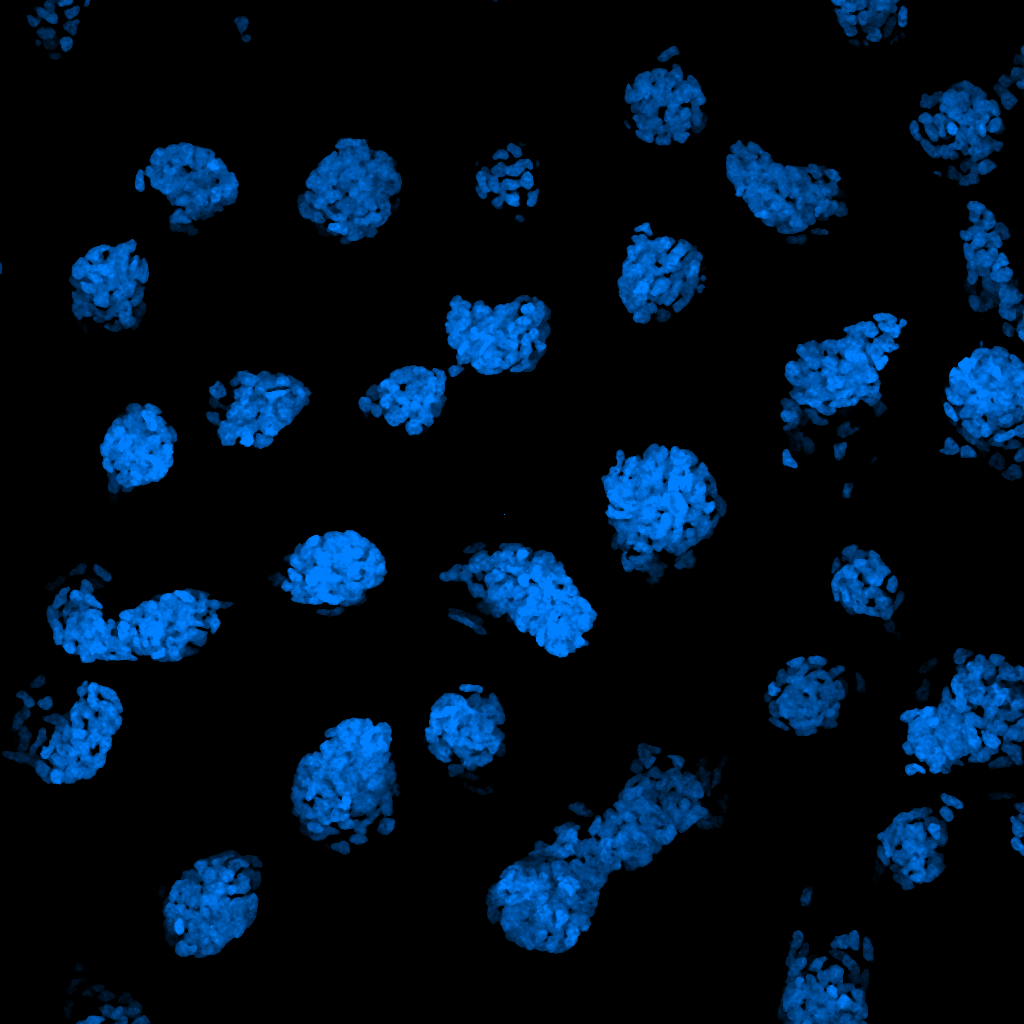
During organismal development, individual cells self-organize to make decisions based on dynamic local signals, forces, and constraints. Yet organs emerge with remarkably reproducible shapes that are essential to their lifelong functions.
We investigate how mechanical and chemical interactions between cellular and extracellular systems coordinate robust architectural pattern and stability. In the mammalian intestine, this natural choreography plays out in the emergence of millions of stereotyped tissue folds - villi and crypts - structures that are essential for lifelong digestive and organismal health. By integrating long-term live imaging of whole mammalian tissues with genetic and biophysical perturbations, we study the formation of these structures and aim to define the rules that link cell-scale dynamics to the emergence and stabilization of organ-scale geometry. Defining this rulebook will unlock a deeper understanding of congenital birth defects, new routes for targeting tissue architecture in diseases where it fails, and enable the generation of more complex organoid systems to study human development in a dish.
How do tissues remember their shape?
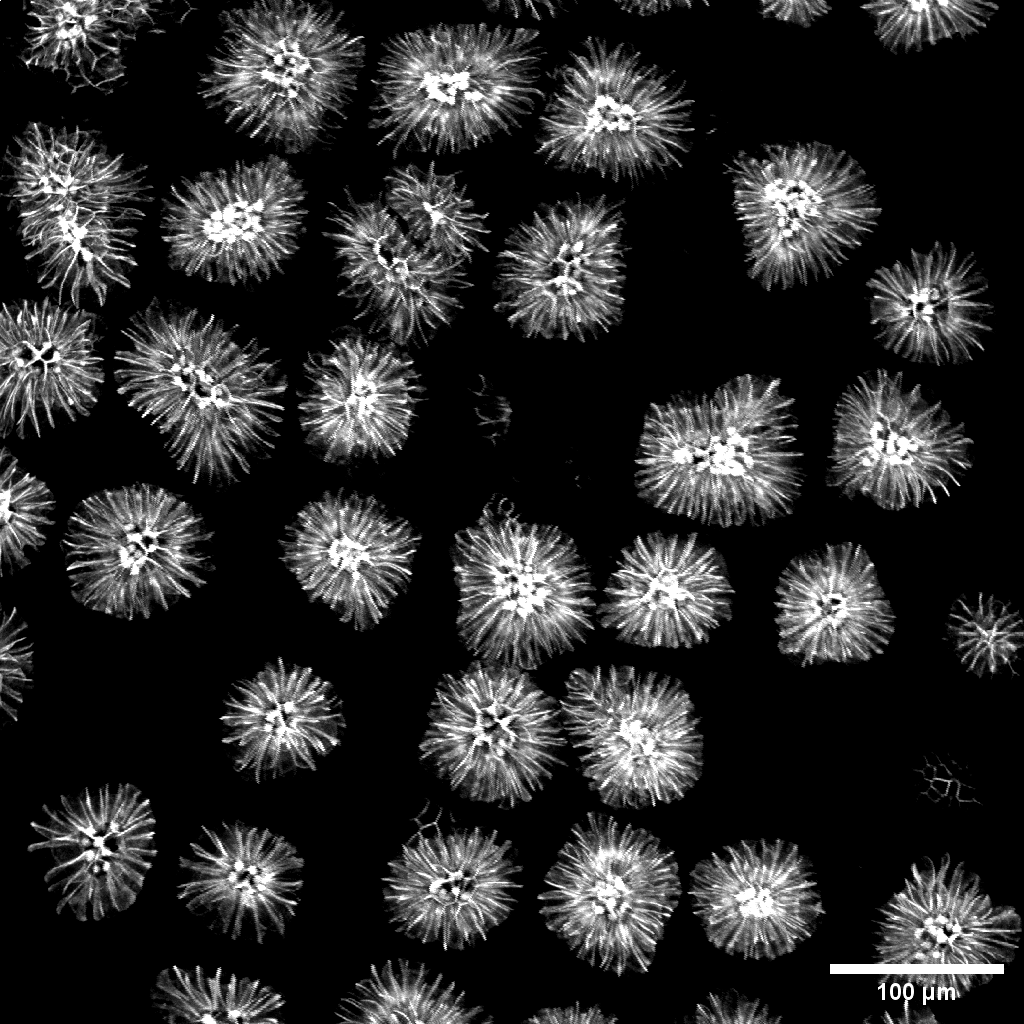
When our tissues are damaged, their specialized architecture is often lost, leaving behind simplified or scarred structures with reduced functionality.
In contrast, the gastrointestinal tract has the remarkable capacity to reconstruct complex form after injury, returning to an organized, functional state. We study how tissues retain or recover the information required to rebuild architecture, how these are coordinated at the cell level, and why these programs are enabled in some contexts but absent in many diseases that lead to persistent atrophy. By defining these principles, we aim to reveal how architectural information is encoded, preserved, and reactivated in living tissues with the long term goal of defining cellular modules that can be programmed to restore or reinforce organ structure in broad contexts.
How do systemic states constrain tissue geometry?
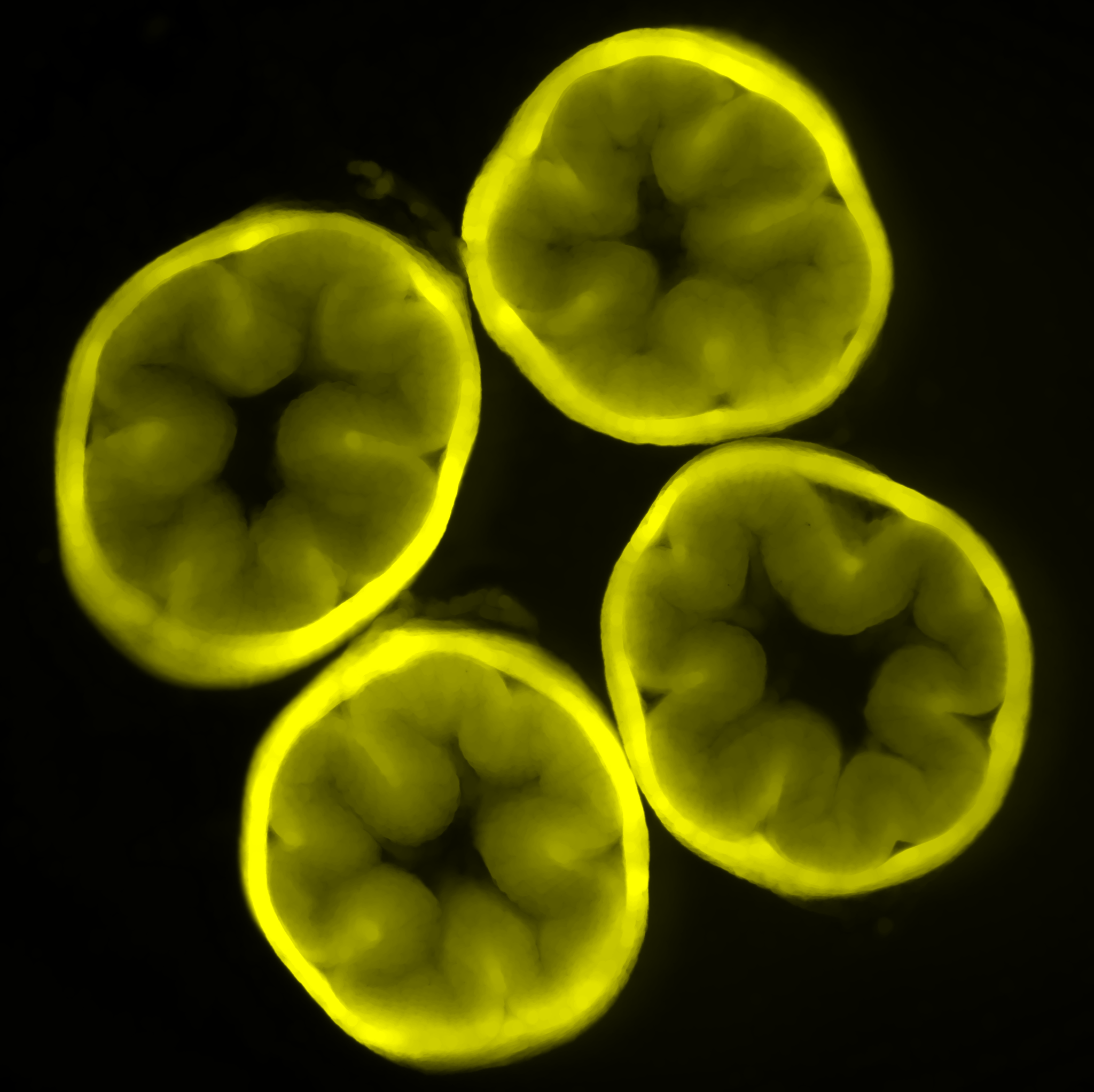
Cells can self-organize to build tissues, but in vivo these processes unfold within a broader physiological context. During development, organ architecture emerges within this context, where maternal state and organismal energetics shape the environments in which cells make decisions.
We investigate how these systemic states shape tissue architecture, focusing on how maternal environment and organismal metabolism define the cues and energy landscapes that guide development. Our work seeks to define how systemic and local states are translated into cellular programs that build and pattern form. By defining this logic, we aim to reveal how early-life environments shape lifelong organ function, uncover mechanisms underlying developmental disease, and identify new strategies to protect or restore tissue architecture under stress. In parallel, we are interested in understanding how acute damage or stress can cause lasting consequences in other tissues.